The Federal Open Market Committee will conclude its two-day meeting on July 29, facing crosscurrents of persistent inflation, escalating geopolitical tensions, and resilient labor markets. The committee held the target federal funds rate steady in June, a level set at its previous meeting.
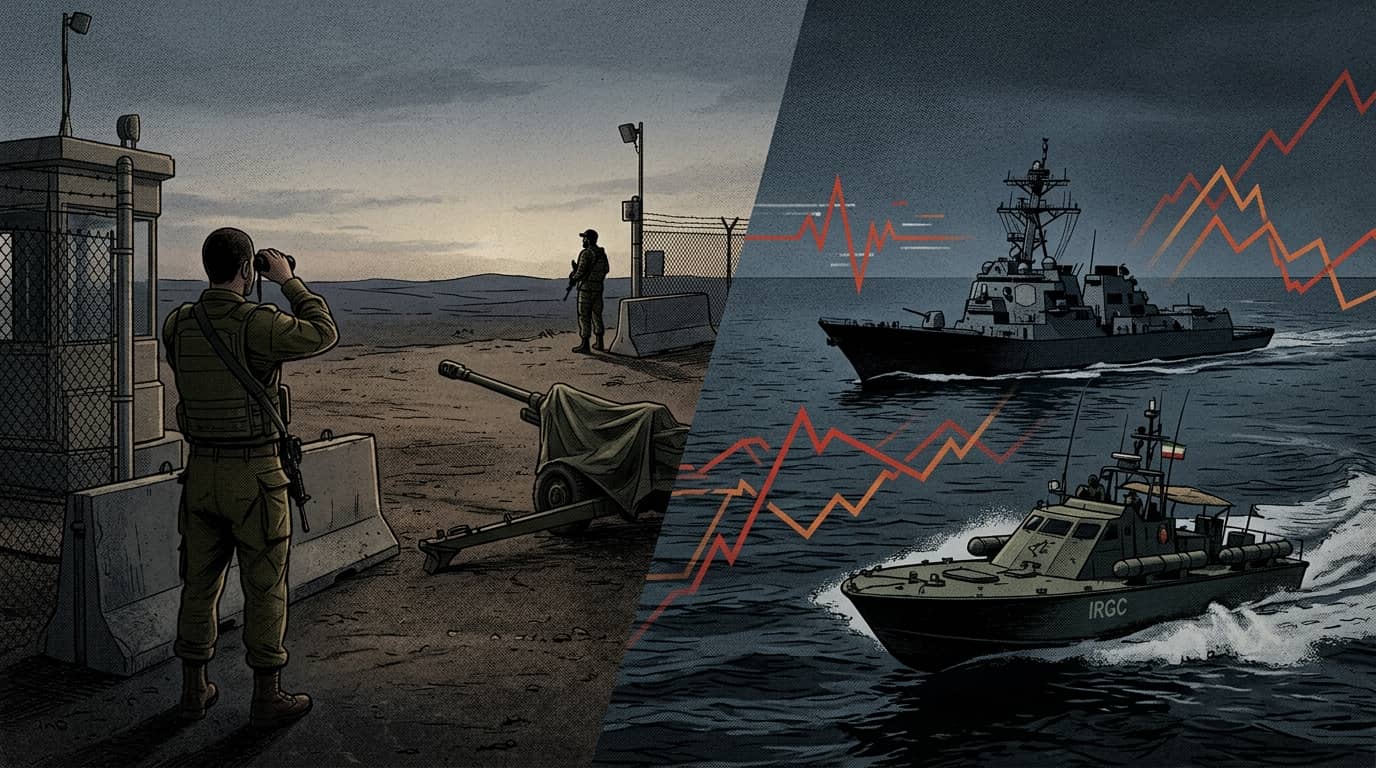
Escalating conflict in the Middle East has disrupted shipping through the Strait of Hormuz, with U.S. forces disabling a commercial vessel on July 24, according to AP News. The disruption contributes to global energy price spikes, adding to inflationary pressures that complicate the rate-setting calculus.
Climate trends are also weighing on price stability. Carbon Brief estimates that 2026 will be around 1.51C above pre-industrial levels due to a rapidly developing El Niño, increasing inflationary pressures on food and energy. The analysis, published July 22, adds a structural dimension to the inflation outlook.
The June 2026 FOMC statement affirmed the current rate level, but the committee has not signaled its July intentions. The July 29 statement will provide the next official assessment of economic conditions and the policy path.
Investors now await the FOMC statement on July 29, which will resolve the interest rate path for the immediate term. Any shift in the committee's language or data surprises in the final days could alter the near-term policy outlook.