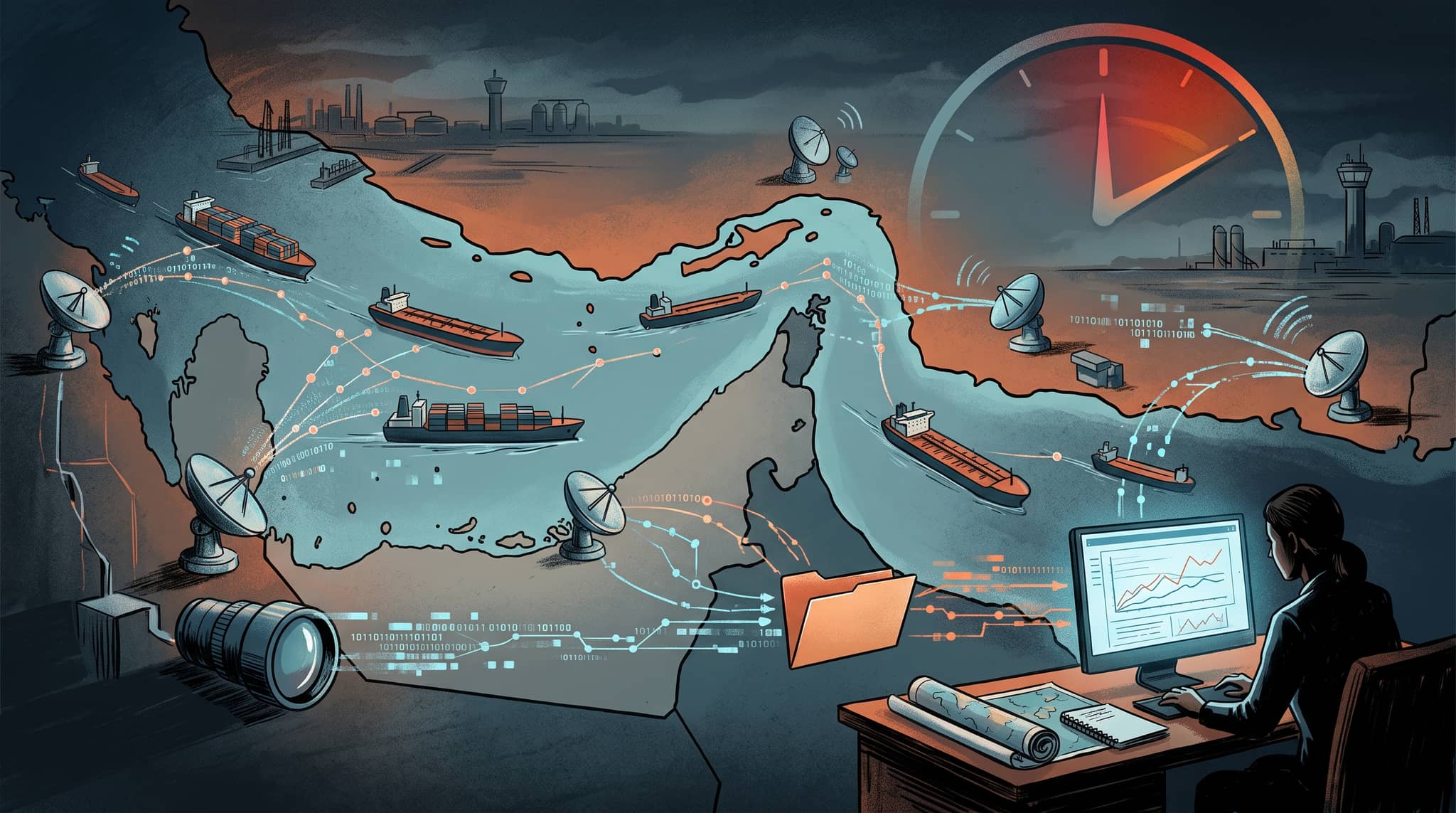
The International Monetary Fund will determine whether Strait of Hormuz traffic has returned to normal by mid-July, using its Portwatch platform to measure transits through the strategically vital waterway. The assessment will rely on transit calls data published by the body, which tracks vessel movements via charts and downloadable files.
The IMF's Portwatch tool monitors shipping activity in real time, providing an authoritative gauge of traffic flow in the Strait. The waterway, a chokepoint for about one-fifth of the world's oil, has faced disruptions that have drawn global attention to supply chain security.
The current dynamics remain fluid. No fixed definition of 'normal' has been publicly established beyond the use of Portwatch data. The market's low probability reflects ongoing uncertainty about how the data will trend in the days ahead.
Market participants await the IMF's mid-July data releases to assess whether shipping patterns will meet the threshold for a return to normal conditions. The IMF's centralized tracking provides a transparent mechanism for evaluating traffic volumes independently of individual reports.