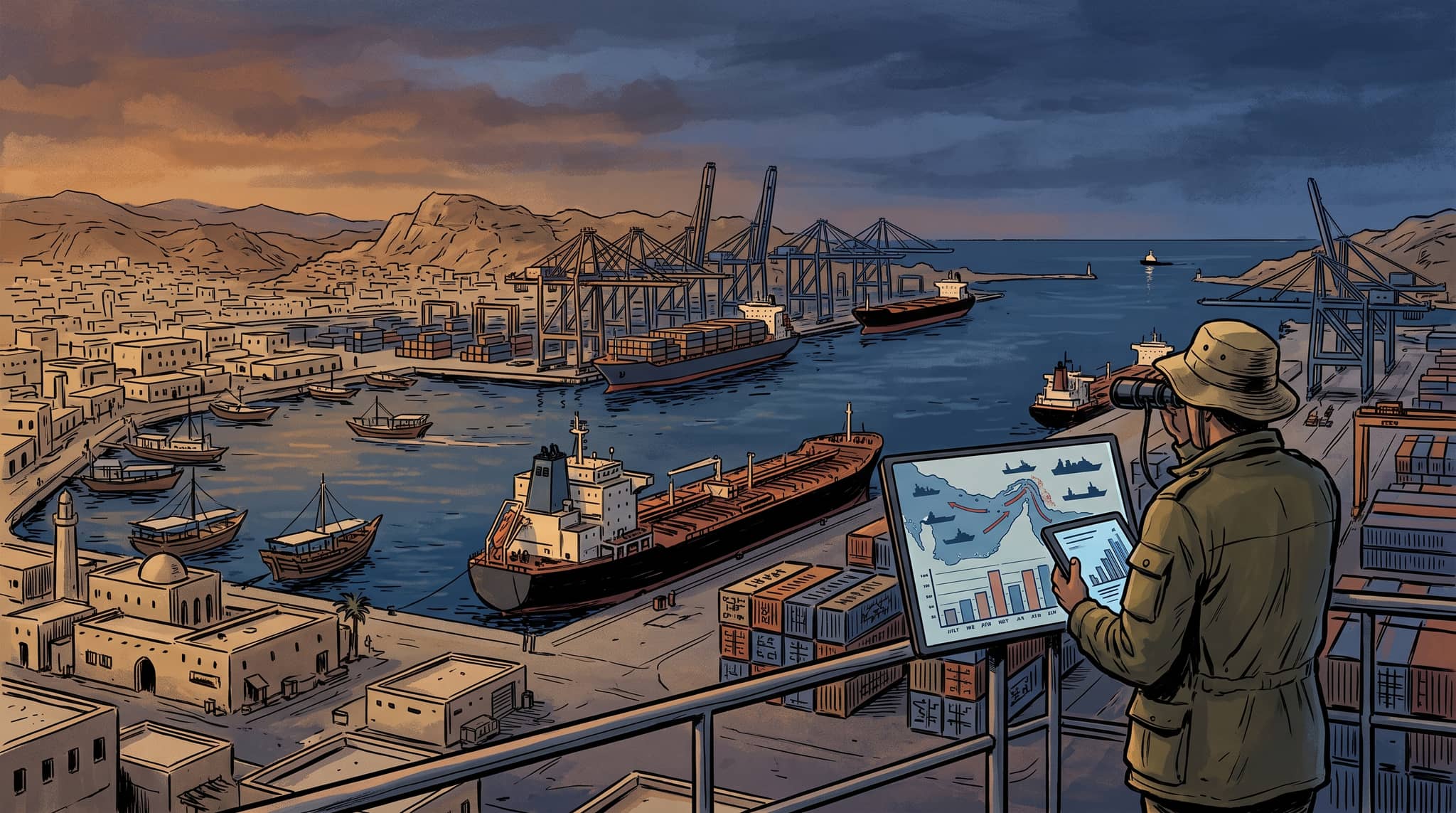
The resolution of a market question about Strait of Hormuz traffic returning to normal by end of June hinges on transit data from the IMF Portwatch platform, the declared source for the outcome. The waterway, a critical chokepoint for global oil shipments, has seen fluctuating vessel crossings amid regional tensions.
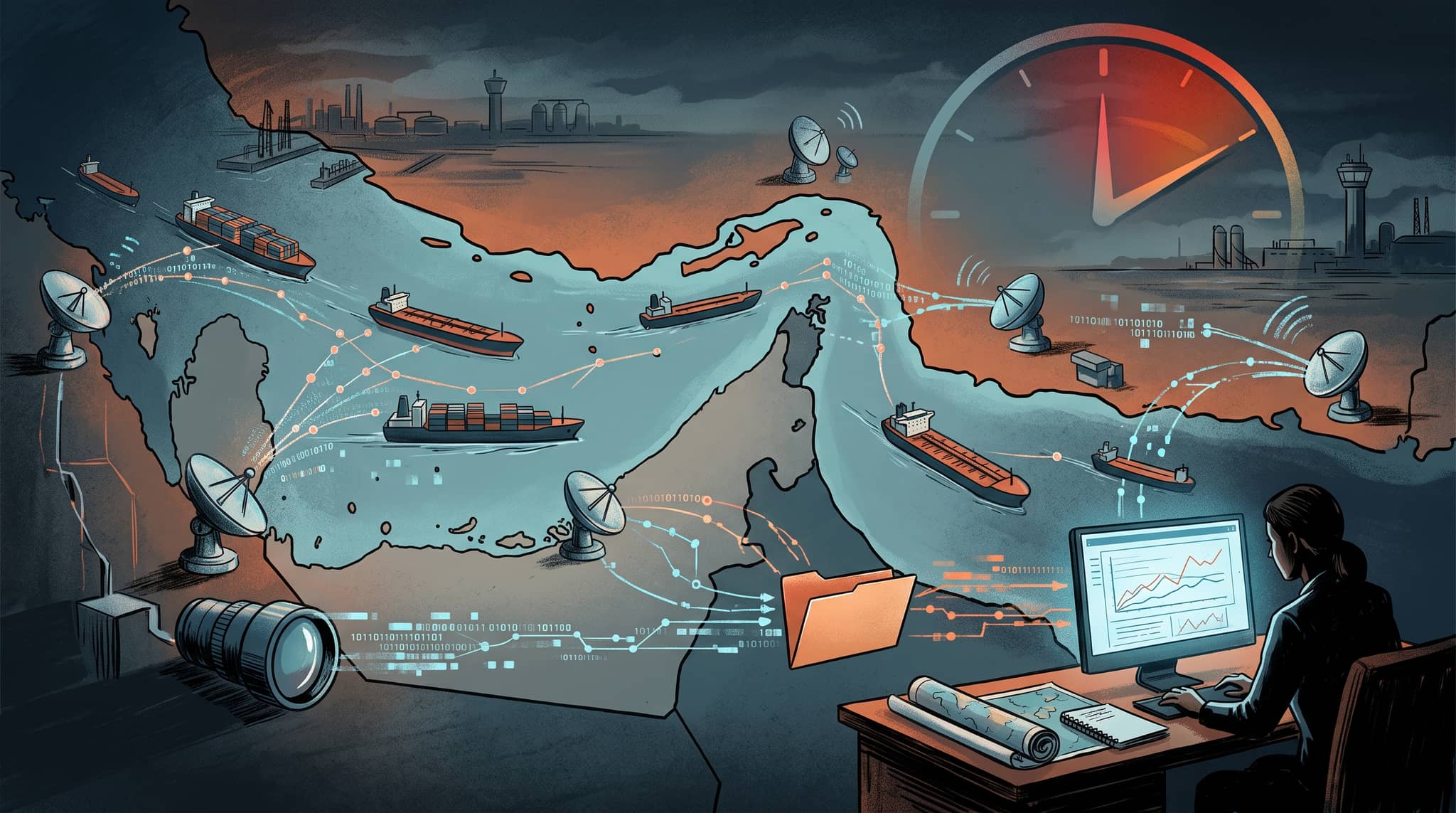
IMF Portwatch provides publicly accessible data on transit calls through the Strait of Hormuz, presented in charts and downloadable files, which serves as the benchmark for assessing normalcy. The platform's methodology tracks daily vessel transits, offering a direct measure of traffic levels compared to historical baselines.
Recent weeks have seen intermittent disruptions due to geopolitical frictions, with some shipping companies adjusting routes or delaying passages. No single incident has been cited as the cause, but cumulative effects have kept traffic volumes below pre-crisis averages, according to Portwatch's recorded data patterns.
As the June 30 deadline approaches, observers are monitoring the Portwatch dataset for a sustained return to typical transit counts. The IMF's role ensures a standardized, verifiable source for evaluating whether normal operations have resumed, though no official announcement is expected from any authority.
The next tangible update will come from Portwatch's next data release, which will show whether recent days have seen a sustained increase in vessel calls. Without a clear uptick, the assessment for the end-of-June timeframe remains uncertain.