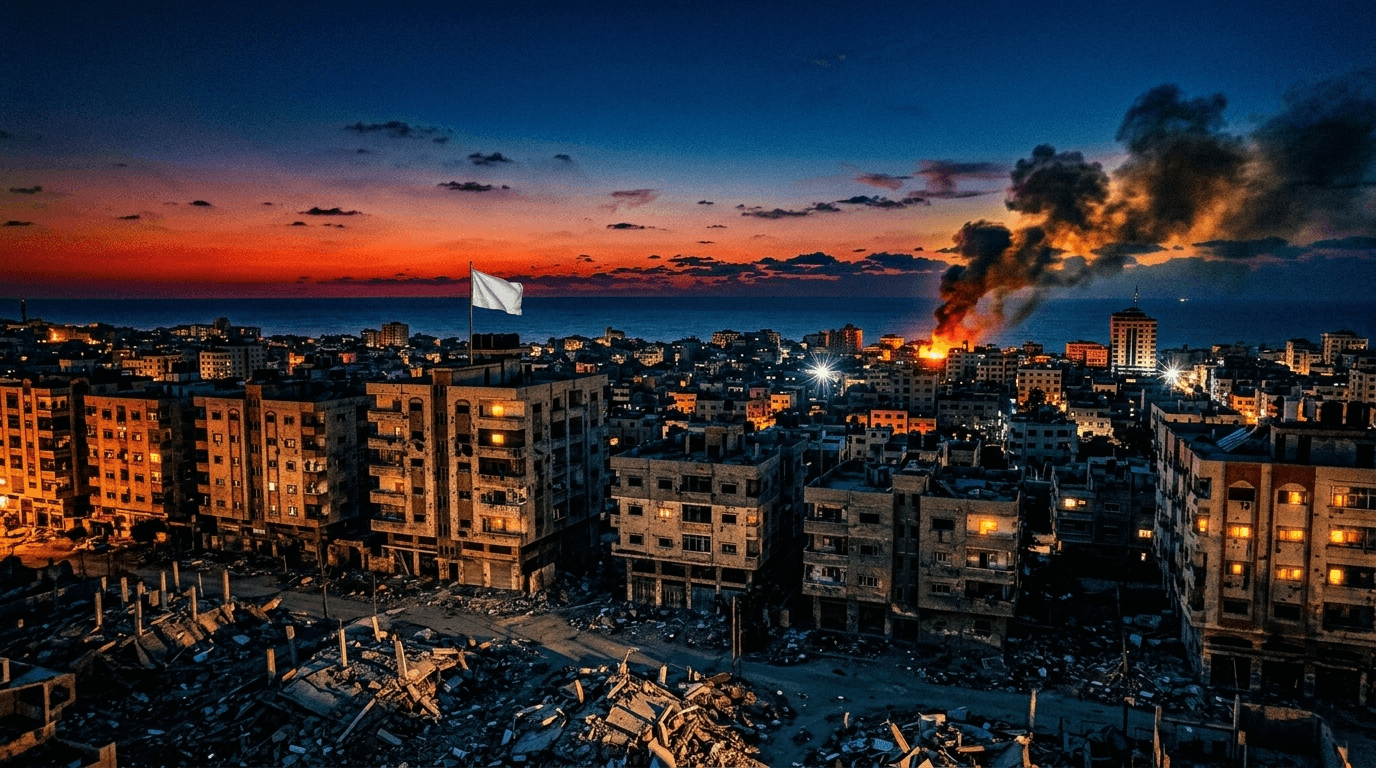
Iranian ballistic missiles struck at U.S. forces in the Middle East on July 28, shattering a fragile ceasefire that President Donald Trump had initiated four days earlier. All missiles were intercepted by U.S. Central Command, but the attack ended a brief pause in hostilities and raised the risk of further escalation.
Trump had halted U.S. military strikes on Iran on July 24 to allow a diplomatic solution. The halt appeared to open a window for de-escalation, but the Islamic Revolutionary Guard Corps’ missile barrage on July 28 reversed that momentum. No U.S. retaliatory strikes have been publicly confirmed in the days since.
On August 1, Trump threatened further military strikes on Iran, and the State Department issued security alerts for Americans in 10 regional countries, reflecting heightened fears of a broader conflict. Iranian officials warned the U.S. against provoking a wider war, highlighting the precarious state of diplomatic efforts.
The attack also roiled oil markets. Crude futures surged, with West Texas Intermediate crude closing at $79.26 per barrel on July 28, down $3.35 before the attack, then turning sharply higher in Asian trading afterward. The spike underscored market concerns about instability in the Strait of Hormuz.
The collapse of the informal cease-fire left the prospect of a sustained period without U.S. strikes in doubt. Whether Washington will conduct retaliatory air or missile strikes in the coming days remains the core unresolved question, with both sides signaling readiness for further action.