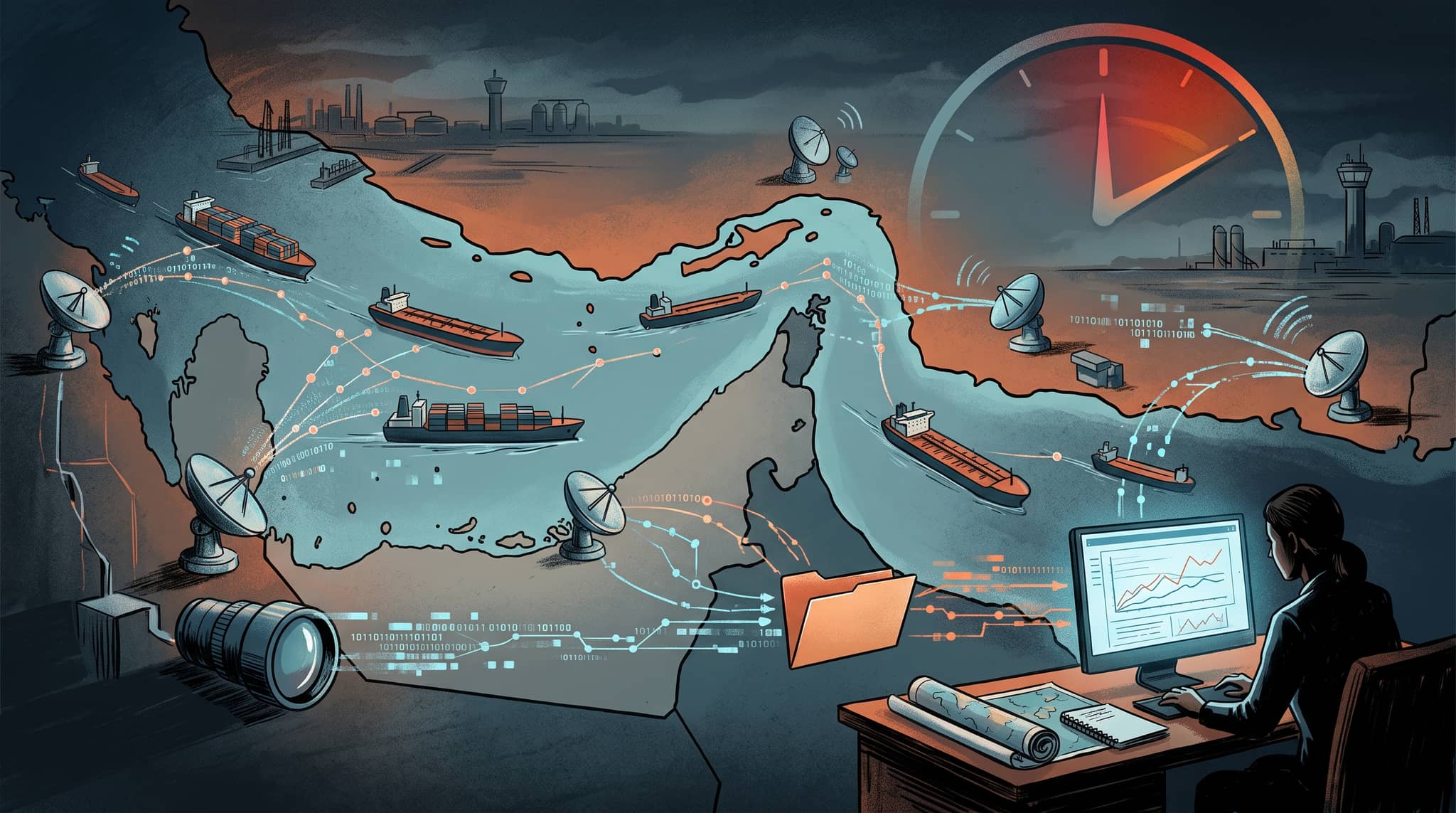
The Strait of Hormuz, a narrow passage connecting the Persian Gulf to the Gulf of Oman, sees thousands of ships each year carrying crude oil and liquefied natural gas. The International Monetary Fund's Portwatch platform tracks daily vessel transits through the strait, providing real-time data on traffic levels.
A threshold of 60 ships in a single day would represent a notably high volume, reflecting robust global energy demand and secure passage through a waterway that has faced periodic geopolitical tensions. According to IMF Portwatch data, the highest daily transit count on any day through late June has not reached that level.
The market closely tracking this metric has priced a roughly one-in-five chance that the 60-ship mark will be hit by the end of June. The odds have declined in recent days, suggesting participants see traffic remaining below the threshold.
The strait's significance is underscored by its role in shipping about a fifth of the world's petroleum. Continued monitoring by the IMF and other agencies provides a window into the health of global energy flows.
The final data for June 30 will determine whether any day this month—or earlier—saw 60 transits. IMF Portwatch will publish the daily count, offering a definitive answer.