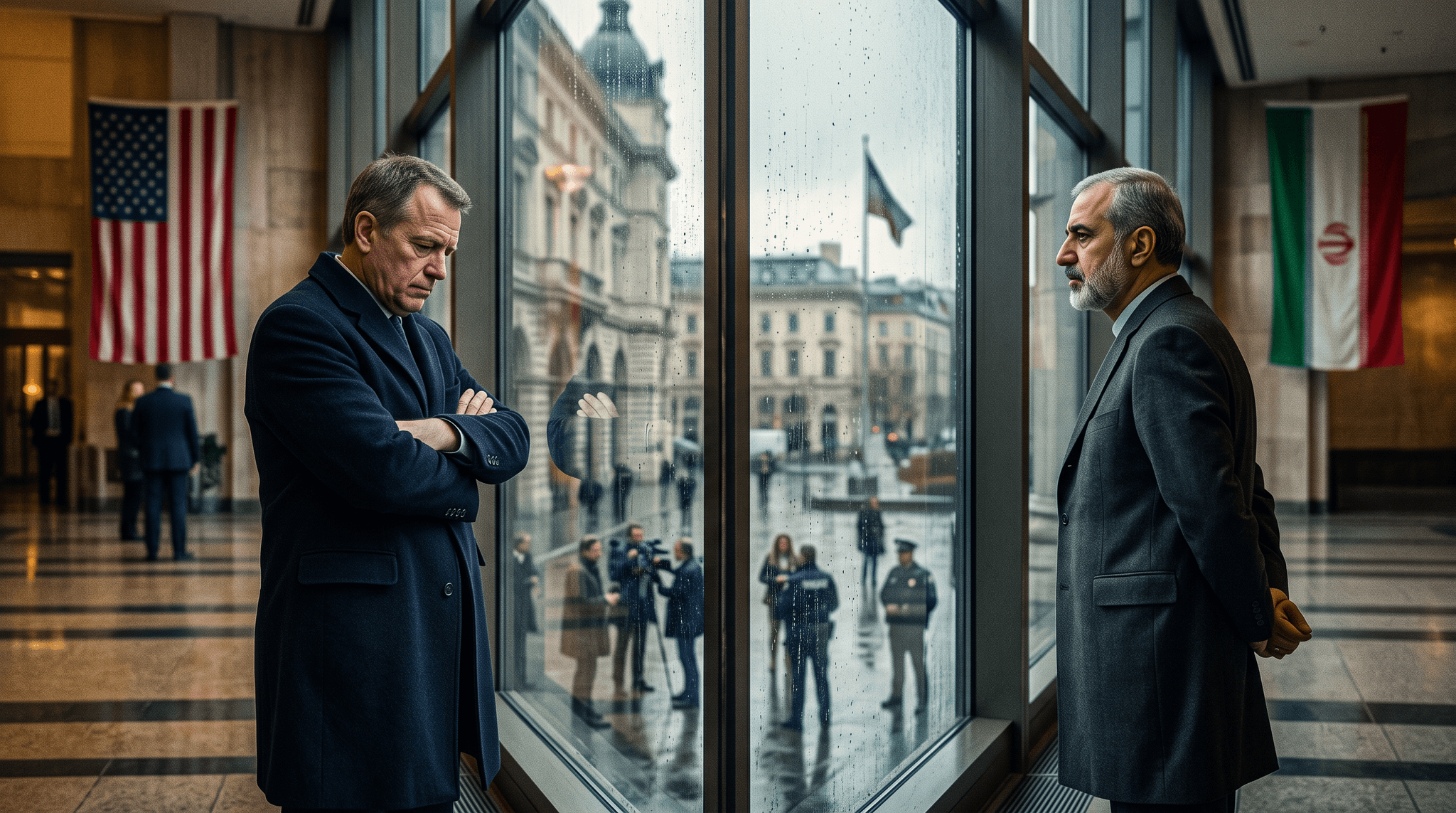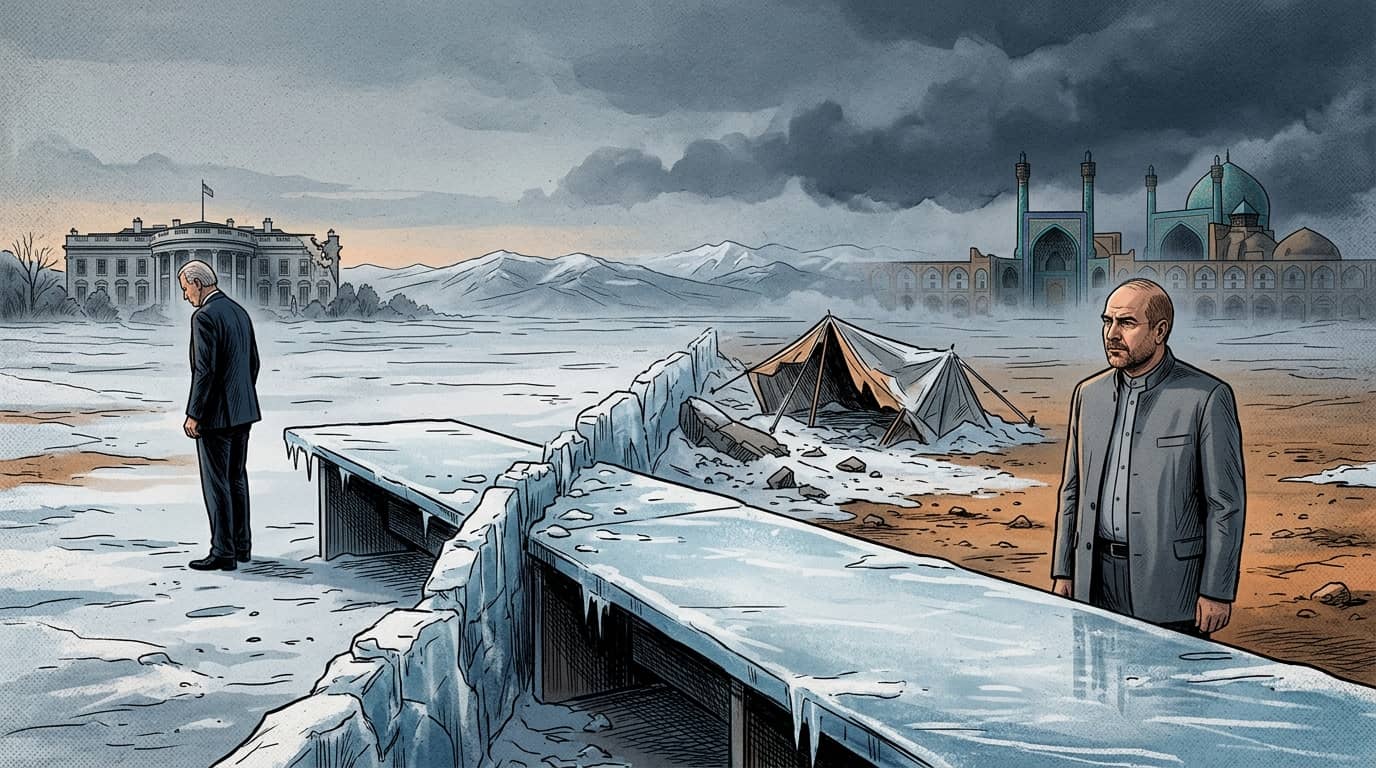
President Donald Trump stated on August 18 that no conversations are scheduled with Iran, closing the door on any immediate revival of the peace process that collapsed in June. The 60-day Memorandum of Understanding, signed in Islamabad, has expired with no extension, leaving a diplomatic vacuum and the Strait of Hormuz largely shut.
The June agreement broke down after Iran fired on vessels in the strategic waterway and the U.S. struck Iranian targets in response, the Associated Press reported. Detailed negotiations over Iran's nuclear program never began, according to the Washington Post, and the interim truce expired without broader progress toward a settlement.
The collapse has deepened regional tensions. The United Arab Emirates suspended all trade and financial transactions with Iran on August 19, CNN reported, adding economic pressure on Tehran even as the military standoff in the Gulf continues. No new talks have been announced, and mediators including Qatar and Oman have not publicly scheduled follow-up efforts.
Iranian parliament speaker Mohammad Bagher Ghalibaf has not stated whether he would attend any future round of talks. The market asking whether he attends a formal US-Iran diplomatic meeting by December 31 stands at 52.5%, a level reflecting four months of uncertainty and a lack of any scheduled dialogue. A public signal from either side indicating a willingness to return to the negotiating table would be the next catalyst, but absent such a development, the diplomatic track remains frozen.