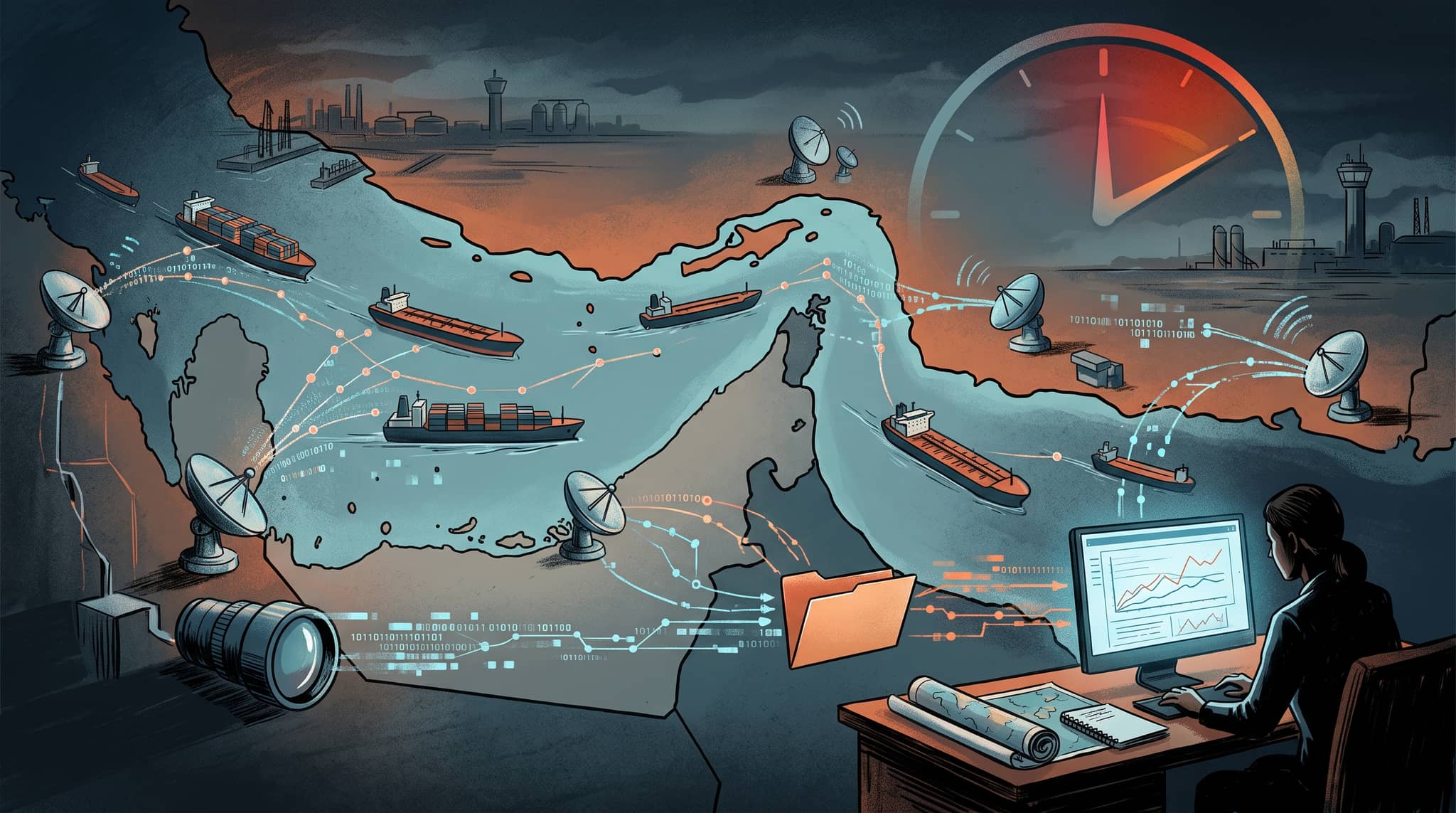
Commercial shipping through the Strait of Hormuz saw a sharp recovery over the weekend of June 20, with 71 confirmed transits and a peak of 35 crossings on June 20, according to data from Kpler cited by Euronews. Before the conflict began in late February, 100 to 130 vessels typically passed through the strait each day.
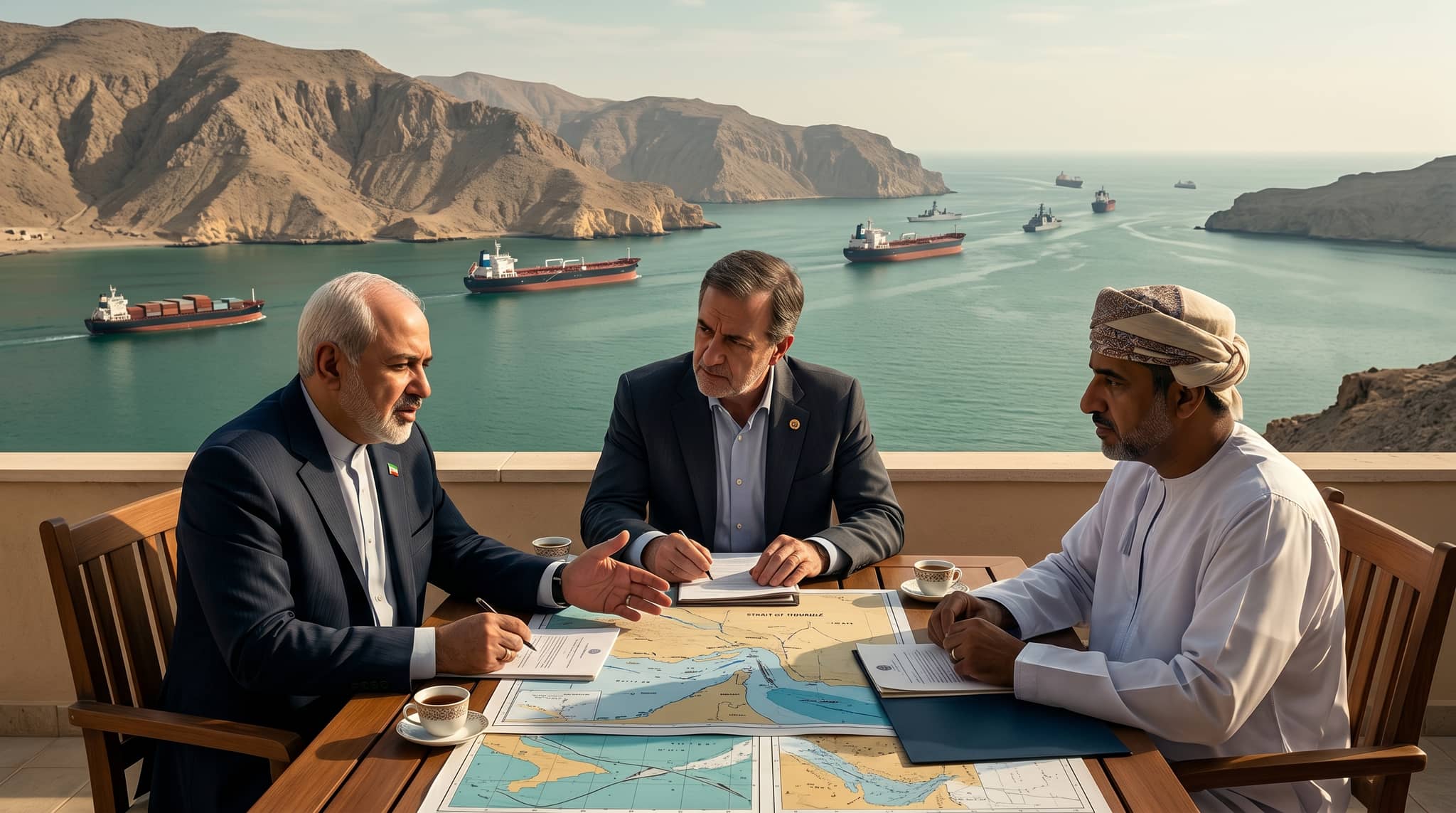
The diplomatic breakthrough came on June 14 with the signing of the "Islamabad Understanding," a 14-point U.S.-Iran agreement that includes a de-confliction cell for Lebanon and a communication mechanism for safe passage through the Strait. The U.S. Treasury on June 22 issued a 60-day sanctions waiver allowing Iran to sell oil until August 21.
Political risks remain high. Iranian lead negotiator Mohammad Bagher Qalibaf walked out of Switzerland talks on June 22 after threats from U.S. President Donald Trump, according to Anadolu Agency. The walkout underscores the fragile state of negotiations even as technical teams work on mine-clearing operations and the Strait hotline.
The threshold of 40 ships in a single day, roughly one-third of the pre-war daily average, remains just beyond the current peak. Mine clearance, war-risk insurance premiums, and the activation of the Strait communication mechanism are unresolved ahead of the June 30 deadline.
Daily transit counts from IMF Portwatch will serve as the primary indicator for whether the coordinated reopening reaches the threshold.